
 By Eric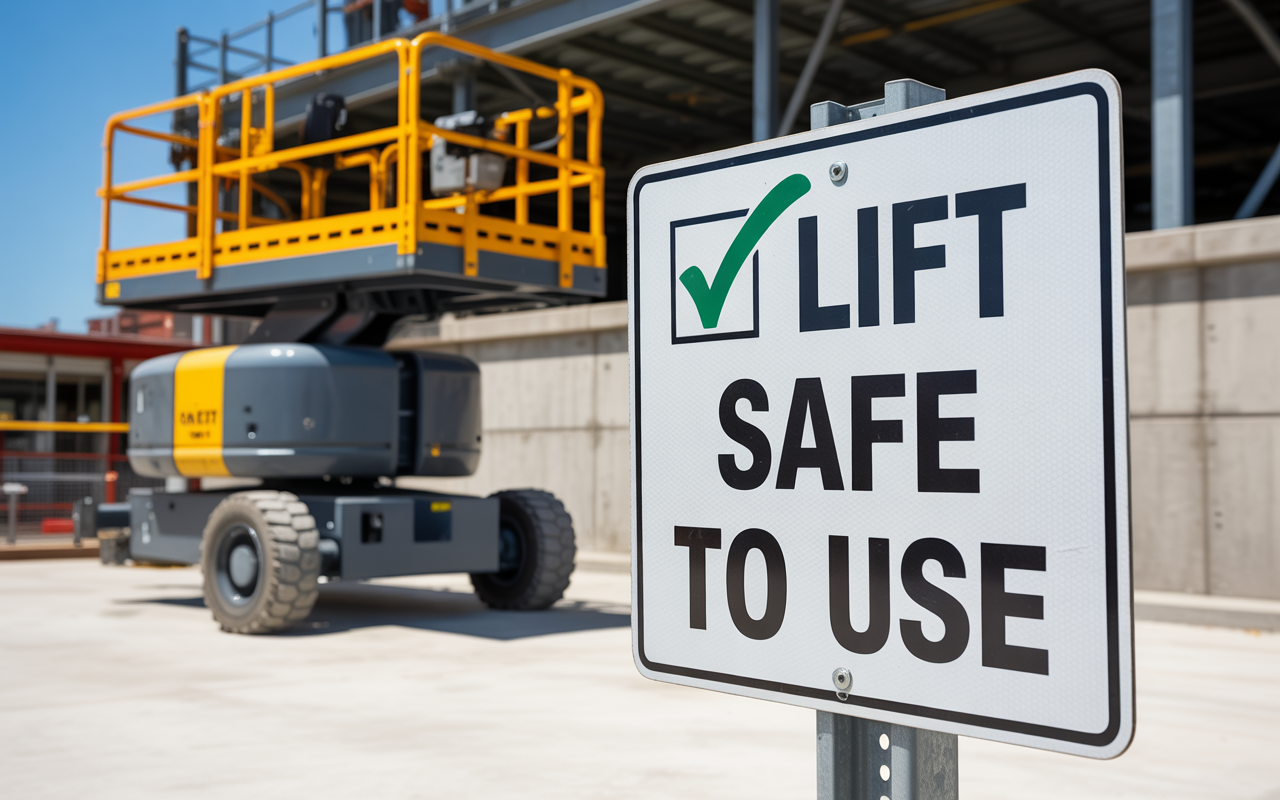
When it comes to navigating multi-story buildings, lifts play a crucial role in our daily lives. They offer convenience and accessibility, but safety is paramount. Understanding when a lift is safe to use can make all the difference between a smooth ride and an unexpected hazard. This guide will help you identify This Sign Shows When a Lift is Safe to Use. By paying attention to these signals, you not only protect yourself but also contribute to everyone’s well-being in shared spaces. Let’s delve into the essential markers of lift safety so you can confidently journey upwards or downwards!
Key safety signs to look for when using a lift
When stepping into a lift, safety signs can be your best guide. Look for the load capacity sign; it indicates how many people or how much weight is allowed inside. Ignoring this can lead to serious malfunctions.
Another critical sign is the emergency contact information. This should be clearly visible within the lift. In case of an emergency, knowing whom to call makes all the difference.
Pay attention to any warning light indicators on the panel as well. These lights often signal when maintenance is due or if there’s an issue with the lift’s operation.
Check for floor level indicators too. They help ensure you’re aware of your current location in relation to floors above and below you.
Always keep an eye out for signage that instructs usage protocols, such as waiting until doors are fully open before entering or exiting.
The importance of following safety signs
Safety signs are more than just symbols; they serve as vital communication tools. They convey important messages that help prevent accidents and injuries, especially in environments like elevators.
Ignoring these signs can lead to dangerous situations. For instance, a simple “Do Not Overload” sign may seem trivial, but exceeding weight limits can compromise the lift’s safety mechanisms.
These warnings also guide users on proper behavior while using lifts. Signs reminding people to wait for passengers to exit before entering play a crucial role in maintaining order and safety.
Moreover, following safety signs fosters a culture of responsibility among all users. When everyone adheres to guidelines, it creates a safer environment for individuals and families alike.
Awareness of these signals not only protects you but also those around you. Being informed is an essential step towards ensuring safe lift usage every day.
Common safety signs found on lifts
Lift safety signs are essential for ensuring a secure experience. One of the most recognizable is the “Maximum Capacity” sign. It indicates how many people or what weight limit can safely use the lift at one time.
Another common indicator is the “Out of Service” notice. This Sign Shows When a Lift is Safe to Use. This tells users that maintenance is needed, and using it could be dangerous.
Additionally, emergency instructions are typically posted inside lifts. These provide clear steps on what to do if you find yourself stuck or experiencing any issues.
Don’t overlook warning signs about potential hazards like slippery floors or sudden stops. They remind everyone to proceed with caution.
An inspection certificate may also be displayed. This assures users that the lift has passed safety checks and is functioning correctly.
Tips for maintaining lift safety
Regular maintenance is crucial for lift safety. Schedule routine inspections to ensure all components are functioning correctly. This proactive approach can prevent potential malfunctions.
Always keep the lift area clear of obstructions. A clutter-free space allows for easy access and reduces the risk of accidents during entry or exit.
Encourage users to familiarize themselves with emergency procedures. Knowing what to do in case of a malfunction can significantly enhance personal safety.
Implement a strict weight limit policy. Overloading lifts can lead to severe issues, including mechanical failure or accidents.
Train staff on proper usage guidelines. Educating everyone about safe practices helps create a culture of awareness around lift operation and user responsibility.
Install visible signage that reminds users about key safety protocols. Clear communication reinforces safe behavior every time someone uses the lift.
Safety training for lift operators and users
Safety training for lift operators and users is crucial for preventing accidents. Proper education ensures everyone understands how to use the lift correctly.
Operators should be familiar with emergency protocols. This includes knowing how to respond when things go wrong, whether it’s a power failure or a mechanical issue. Regular drills can help build confidence in handling such situations.
Users also benefit from safety training. They learn about weight limits, proper loading techniques, and not overcrowding the cabin. Knowing these basics reduces risk significantly.
Visual aids like instructional signs can reinforce learning. Combining practical demonstrations with theoretical knowledge makes the information memorable.
Encouraging a culture of safety fosters vigilance among all lift users and operators alike. When everyone prioritizes safety, incidents decrease, creating a secure environment for all involved in lift operations.
Conclusion
Lift safety is crucial for both users and operators. Being aware of the signs that indicate when a lift is safe to use can greatly reduce the risk of accidents. Remember, following these key safety signs not only protects you but also others around you.
Always pay attention to common safety indicators like weight limits or emergency instructions displayed inside the lift. Regular maintenance checks must be adhered to, ensuring lifts are in optimal working condition.
Training programs for both lift operators and users enhance awareness about these critical signs and help foster a culture of safety in any environment where lifts are utilized. Knowledge is your best tool; understanding what each sign means can make all the difference.
Safety isn’t just a guideline; it’s imperative for every ride taken within a lift system. Prioritize it by recognizing this sign that shows when a lift is safe to use—your well-being matters!